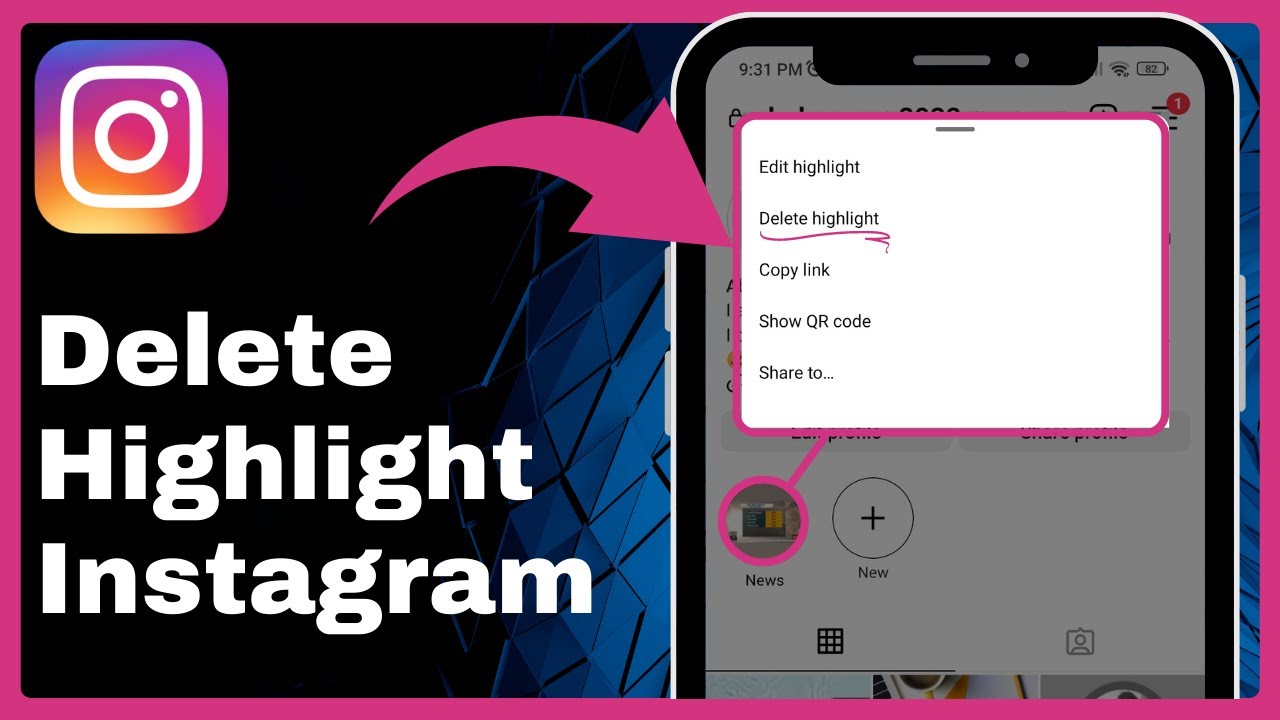
How To Remove Highlights On Instagram! (Easy) => Watch On YouTube
Anthropic Unveils Claude 3.5 Sonnet: A New Contender in the AI Race
The artificial intelligence landscape just got a major shake-up. Anthropic has officially launched Claude 3.5 Sonnet, a new model they’re positioning as their most intelligent, cost-effective, and fastest offering to date. This latest iteration is making waves, claiming to outperform not only its predecessor, Claude 3 Opus, but also rival models like OpenAI’s GPT-4o on key benchmarks.
Speed Meets Smarts: A Performance Powerhouse
Claude 3.5 Sonnet is designed to be a mid-tier model that punches far above its weight. Users will immediately notice a significant boost in speed, operating twice as fast as Claude 3 Opus. This translates into more fluid interactions and quicker task completion, making it ideal for a wide range of applications, from context-sensitive customer support to complex multi-step workflows. Despite its enhanced performance, Anthropic has managed to keep the cost competitive, making advanced AI capabilities more accessible.
Benchmarking results are impressive, with Claude 3.5 Sonnet reportedly outperforming Claude 3 Opus in areas like graduate-level reasoning (GPQA), undergraduate-level knowledge (MMLU), and coding proficiency (HumanEval). This isn’t just about speed; it’s about delivering top-tier intelligence with unprecedented efficiency.
State-of-the-Art Visual Reasoning
One of the standout features of Claude 3.5 Sonnet is its significantly improved visual reasoning capabilities. It sets a new standard for understanding and interpreting complex visual information. The model can accurately analyze charts, graphs, technical diagrams, and even imperfect or "messy" images. This makes it a powerful tool for industries relying on visual data, such as finance for market analysis, healthcare for medical imaging interpretation, or manufacturing for quality control. It can extract data, identify trends, and provide insights from visuals that were previously challenging for AI to process effectively.
Elevating Code Generation and Understanding
For developers and programmers, Claude 3.5 Sonnet promises to be a game-changer. Anthropic touts it as their most capable coder yet, excelling in generating, debugging, and refactoring code. The model can seamlessly understand existing codebases, diagnose errors, and propose effective solutions. This enhanced coding proficiency can drastically accelerate development cycles, improve code quality, and free up developers to focus on more complex, creative tasks.
Introducing "Artifacts": A Game-Changing Interactive Workspace
Perhaps the most innovative new feature is "Artifacts." This goes beyond traditional chat interfaces, transforming Claude into a dynamic, interactive workspace. When you ask Claude to generate content—whether it’s code, a document, or a design—the output appears in a dedicated, collaborative window alongside your conversation.
This "Artifacts" feature allows for real-time human-AI co-creation. You can see the AI’s thought process, modify its outputs directly within the workspace, and iterate seamlessly. It’s like having a shared digital scratchpad where you and the AI can work side-by-side. This capability significantly enhances productivity, fosters creativity, and makes complex projects feel more manageable by providing a persistent, evolving environment for your work.
Accessibility and the Road Ahead
Claude 3.5 Sonnet is available immediately via Claude.ai and Anthropic’s API. It’s also being integrated into the Claude iOS app. This release underscores Anthropic’s commitment to pushing the boundaries of AI, making powerful and intelligent models more accessible and useful for a broader audience.
By combining superior performance, advanced visual and coding capabilities, and the revolutionary "Artifacts" feature, Claude 3.5 Sonnet isn’t just another update; it’s a bold statement in the rapidly evolving AI race. It positions Anthropic as a formidable competitor, offering tools that could redefine how we interact with artificial intelligence and accomplish tasks in the digital age.